
Reusing old buildings and designs in Tampa, Florida
In the world of architectural salvage, you can do more than just buy old building supplies. It links modern improvements to historical workmanship that is hard for modern factories to copy. The salvage scene in Tampa is a one-of-a-kind place to find true period pieces for a business project, a themed entertainment space, or your own personal repair project.
Florida's architecture history includes styles from the Spanish colonial era to mid-century modernism. These pieces of history are kept safe at salvage yards so that designers, builders, and property owners who value character over standard solutions can use them. People who buy used materials from places like Schiller's Architectural & Design Salvage can connect people to Tampa's history while also using useful materials in modern projects.
Understanding architectural salvage and its value
Architectural salvage encompasses building components and decorative elements removed from structures slated for demolition or renovation. These pieces retain functionality and aesthetic appeal despite their age. Common salvage items include doors, windows, mantels, lighting fixtures, hardware, flooring, and ornamental ironwork. Unlike reproduction pieces, genuine salvage carries the patina and construction quality of its original era.

What defines architectural and design salvage
The distinction between salvage and antiques matters in practical terms. Salvage items typically serve functional purposes in new construction or renovation projects rather than existing solely as collectibles. A salvaged door gets installed and used daily. An antique door might hang on a wall as decoration. This functional aspect influences both pricing and selection criteria when sourcing materials.
Quality salvage yards curate their inventory based on condition, rarity, and marketability. Staff members often possess deep knowledge about architectural styles, construction techniques, and appropriate applications for different materials. This expertise helps buyers identify pieces that suit their specific project requirements while avoiding costly mistakes with incompatible or damaged items.
What the Tampa scrap yards mean in terms of history
As a trade hub on the Gulf Coast, Tampa had a lot of different styles of architecture throughout the 20th century. Different eras' buildings showed how the economy, people, and construction styles were changing. As areas changed and redevelopment sped up, salvage companies sprung up to save useful parts of buildings before they were torn down.
Schiller's Salvage became a Tampa institution by seeing the worth in things that other people would have thought were trash. The company at 1513 W Cypress St is useful for builders and also keeps records of the past of architecture in the area. People can see things that were used in Florida building for many years, from heavy wooden beams to delicate stained glass panels.
The salvage business in Tampa helps the environment by keeping things out of landfills and giving people cheap alternatives to buying new building supplies. Logging has an effect on the environment, but reclaimed wood doesn't. Using old equipment instead of new ones saves energy. These useful benefits are in line with the fact that more and more people in Florida's building industry are becoming aware of the need to reduce construction trash and save resources.
Popular salvaged items and their applications
Architectural salvage yards stock diverse categories of materials, each with distinct characteristics and typical uses. Understanding these categories helps buyers navigate inventory efficiently and identify items suited to their projects.
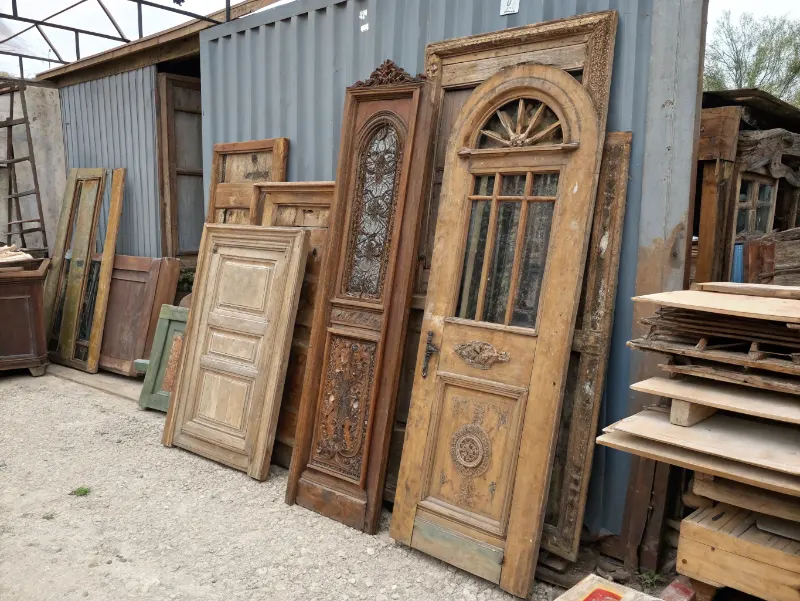
Types of salvage materials available at specialty yards
| Material Category | Common Examples | Typical Condition | Primary Applications |
|---|---|---|---|
| Structural Elements | Beams, columns, joists, corbels | Weathered, solid | Framework, exposed ceiling features, mantels |
| Doors and Windows | Panel doors, French doors, casements, transoms | Variable finish, functional | Entryways, room dividers, cabinet fronts, decorative walls |
| Lighting Fixtures | Chandeliers, sconces, industrial pendants, street lamps | Needs rewiring, intact shades | Residential lighting, commercial atmosphere, outdoor installations |
| Hardware and Trim | Hinges, locks, knobs, molding, brackets | Surface rust, complete sets | Restoration matching, cabinet details, architectural accents |
The condition of salvaged materials varies significantly based on their original environment and how they were removed. Interior elements like wood paneling typically show less weather damage than exterior components. Metal items may require rust removal or refinishing. Glass pieces need careful inspection for cracks that compromise structural integrity.
Pricing reflects both rarity and demand. Mass-produced items from the mid-twentieth century cost less than handcrafted Victorian-era pieces. Buyers should expect to invest time searching for specific items, as salvage inventory changes constantly based on available demolition projects and estate sales. Building relationships with salvage yard staff provides access to incoming inventory before it reaches the sales floor.
Pricing and availability considerations in Florida
Florida's construction boom and bust cycles directly impact salvage availability. Periods of rapid development generate abundant materials as older structures make way for new projects. Economic downturns slow both demolition and customer demand. This fluctuation means patient buyers who monitor inventory regularly find better selections and prices than those seeking immediate solutions.
Regional architectural styles influence what appears in Tampa salvage yards versus those in other states. Florida salvage includes more Spanish tile, jalousie windows, and tropical hardwoods compared to northern yards. Buyers restoring period-appropriate Florida homes find authentic materials locally rather than importing pieces from other regions. This geographic specificity adds value for projects requiring historical accuracy.
Transportation costs factor into the overall expense of salvaged materials. Large items like mantels, bathtubs, or columns require trucks and careful handling. Schiller's Architectural and Design Salvage can assist with logistics planning, but buyers should calculate delivery expenses when comparing salvage prices to new material costs. For nearby Tampa projects, salvage remains economical. For distant locations, shipping may reduce the cost advantage.
Selecting quality pieces for commercial spaces
Commercial projects demand higher standards for salvaged materials than typical residential applications. Building codes, insurance requirements, and liability concerns necessitate careful evaluation before installation. Visual inspection alone proves insufficient for structural elements that will bear loads or face heavy use in business environments.
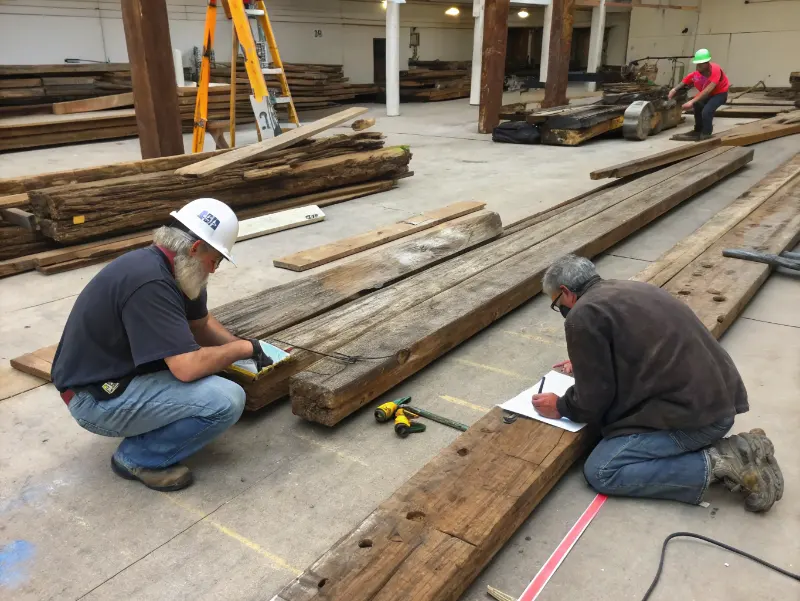
Evaluating structural integrity and authenticity
Professional assessment begins with understanding the original context of salvaged pieces. How was the item used previously? What stresses did it endure? Has it been modified or repaired? These questions guide decisions about appropriate new applications. A decorative column from a home interior cannot safely support weight in a commercial setting without engineering verification. Honesty from salvage dealers about item history protects buyers from expensive mistakes.
Authenticity verification matters for projects seeking specific historical periods or styles. Reproduction hardware mixed with genuine salvage compromises design integrity. Knowledgeable buyers examine construction techniques, materials, and wear patterns to distinguish authentic pieces from later copies. Documentation from salvage yards regarding item provenance adds value and supports insurance or appraisal needs for high end commercial installations.
Steps to choose appropriate salvage for business renovations
Commercial renovations using architectural salvage require systematic planning to avoid delays and budget overruns. Following a structured selection process ensures chosen materials meet both aesthetic goals and practical requirements.
- Define project scope and style parameters before shopping salvage yards. Create detailed specifications for needed items including dimensions, quantities, and acceptable condition ranges. Bringing measurements and photos of existing spaces helps salvage staff suggest suitable pieces. Flexibility in exact specifications increases chances of finding workable materials within budget constraints.
- Establish relationships with multiple salvage sources to expand available inventory. No single yard stocks everything. Networking with dealers like those at Schiller's Salvage provides access to their contact networks when specific items prove difficult to locate. Some salvage operations maintain wish lists and contact buyers when appropriate pieces arrive.
- Arrange professional evaluation of structural salvage before purchase. Hire engineers or contractors familiar with older construction methods to assess beams, flooring, and other load bearing elements. Written evaluations satisfy building inspectors and protect against liability. This step adds expense but prevents catastrophic failures in commercial environments.
- Plan for restoration and modification costs when budgeting salvage purchases. The listed price represents only the starting point. Factor in cleaning, refinishing, hardware replacement, and adaptation to modern building systems. A bargain priced antique door becomes expensive once professional refinishing and custom millwork for proper fitting are included.
- Verify code compliance and obtain necessary permits before installation. Historical materials may not meet current fire, accessibility, or safety standards without modifications. Discuss planned salvage use with local building departments early in the design process. Some jurisdictions offer flexibility for preservation projects while others enforce strict contemporary standards regardless of material age.
Architectural and design salvage for casino interior concepts
Casino design prioritizes immersive experiences that transport visitors into distinct atmospheres. Architectural salvage provides the authentic materials necessary to build convincing period environments without the artificial appearance of theme park reproductions. Reclaimed elements carry genuine age and craftsmanship that resonate with guests seeking escape from everyday surroundings.
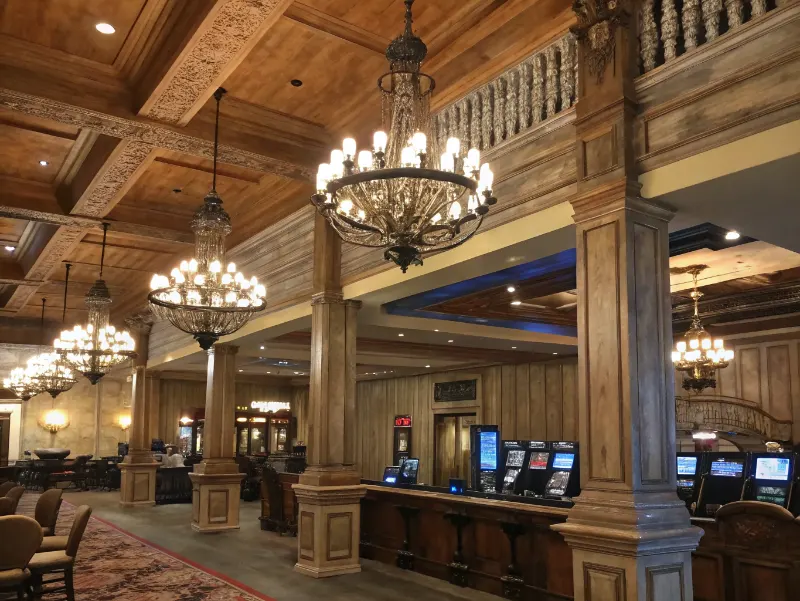
Creating period authentic gaming environments with salvaged materials
Gaming establishments pursuing vintage aesthetics rely on salvaged components to establish credibility. A speakeasy themed casino space gains authenticity from actual Prohibition era back bars, period lighting, and reclaimed wood from buildings of that time. These materials create tactile and visual connections to history that manufactured reproductions cannot replicate regardless of quality or expense.
The casino interior market values salvage for both its aesthetic impact and storytelling potential. Operators marketing their properties as destinations rather than merely gambling venues invest in distinctive design elements. Architectural salvage for casino interior applications ranges from grand statement pieces like antique chandeliers to smaller details like vintage door hardware that reinforce thematic consistency throughout the property.
Tampa's location provides access to salvage materials suited to various casino design concepts. Spanish colonial elements support Mediterranean themes. Industrial salvage from cigar factories and shipping facilities enables vintage warehouse aesthetics. Mid-century materials facilitate retro atomic age environments. This diversity allows casino designers to source region specific materials that enhance both authenticity and local connections.
Practical salvage applications that elevate casino design
Casino interiors incorporating architectural salvage benefit from strategic placement that maximizes visual impact while maintaining operational efficiency. The following elements demonstrate how reclaimed materials enhance gaming environments.
- Reclaimed wood wall treatments and ceiling details establish warmth in high traffic casino floors. Vintage barn wood, industrial flooring, and antique paneling introduce natural textures that contrast with electronic gaming equipment. These installations reduce the sterile atmosphere common in modern casinos while improving acoustic properties through sound absorption.
- Salvaged lighting fixtures provide focal points and scale in large casino spaces. Oversized chandeliers, industrial pendant arrays, and vintage sconce collections draw eyes upward and break up expansive ceiling planes. The varied patinas and designs of authentic salvage add visual interest that uniform new fixtures lack. Proper electrical retrofitting ensures safety while preserving historical appearance.
- Antique doors and architectural millwork define distinct zones within open floor plans. Salvaged entryways mark transitions between gaming areas, restaurants, and lounges. Decorative columns and archways create intimate spaces within larger rooms. These elements guide traffic flow naturally while reinforcing themed design concepts through period appropriate details.
- Vintage metalwork including railings gates and grillwork enhances casino atmosphere with Old World craftsmanship. Wrought iron details from Schiller's Architectural and Design Salvage collection provide security functions for restricted areas while maintaining aesthetic consistency. Ornamental metal screens separate VIP sections without solid barriers that feel exclusionary. Industrial metal elements support warehouse or factory casino themes.
- Reclaimed flooring materials including terrazzo tile hardwoods and stone establish durable surfaces with character. Casino environments demand flooring that withstands constant traffic while looking attractive after years of use. Salvaged materials prove their durability through decades of prior service. Vintage terrazzo particularly suits casino applications with its resilient surface and design possibilities through color and pattern variations.
Working with architectural salvage specialists
Successful salvage purchasing depends on more than simply browsing inventory and selecting appealing items. Experienced dealers provide services that streamline the acquisition process and improve project outcomes. Understanding available support helps buyers maximize value from their salvage investments.
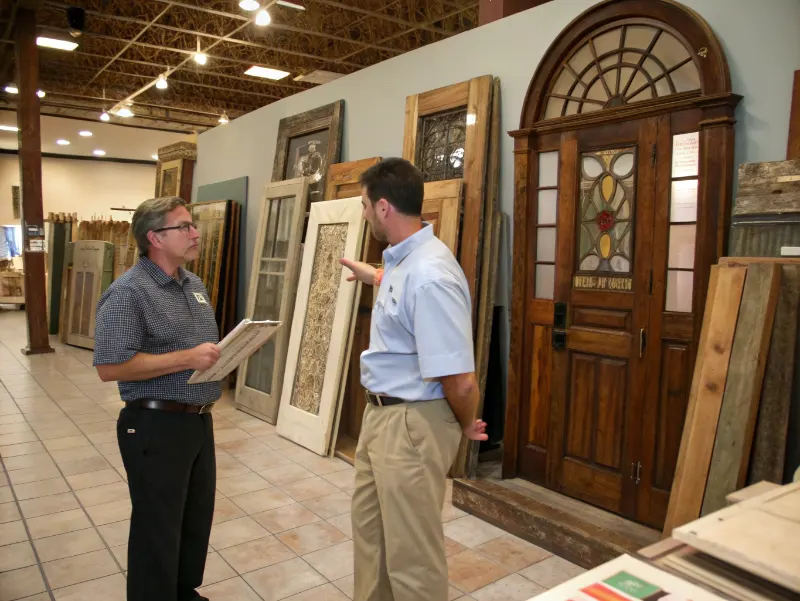
Services and support from established salvage dealers
| Service Category | Specific Offerings | Benefits to Buyers | Typical Availability |
|---|---|---|---|
| Consultation and Design Input | Style guidance, period verification, application advice | Reduces purchasing mistakes, improves design authenticity | Included with larger purchases, available by appointment |
| Custom Sourcing | Searching for specific items, monitoring estate sales, coordinating with demolition contractors | Access to off-site inventory, notification of incoming materials matching requirements | Fee-based or percentage of purchase |
| Inventory Holds and Layaway | Reserving items during project planning, installment payment options | Secures materials before budget approval, prevents loss to other buyers | Deposit required, time limits apply |
| Restoration Referrals | Connections to refinishers, metalworkers, glass repair specialists | Qualified restoration maintains value, ensures appropriate techniques | Informal recommendations, no dealer liability |
Dealers like those operating Schiller's Salvage - Tampa, Florida develop expertise through years of handling diverse materials. This knowledge benefits buyers who may encounter salvage only occasionally. Staff can identify wood species, estimate original construction dates, and suggest appropriate cleaning methods. These insights prevent damage from incorrect restoration approaches that diminish value or create safety issues.
Establishing ongoing relationships with salvage dealers provides advantages beyond individual transactions. Regular customers receive notifications about new inventory matching their interests. Dealers remember specific project requirements and contact buyers when suitable items arrive. This networking aspect of the salvage business helps professionals source materials efficiently without constant in-person visits to every available yard.
Transportation installation and restoration partnerships
Large or fragile salvage items present logistical challenges that require planning and professional handling. Moving a Victorian mantel, cast iron bathtub, or antique stained glass window demands equipment and expertise beyond standard delivery services. Salvage dealers maintain relationships with specialized haulers familiar with protecting historical materials during transport.
Installation of architectural salvage often exceeds typical contractor experience. Antique doors require different hanging techniques than modern pre-hung units. Vintage flooring needs proper acclimatization and fastening appropriate to its age. Gas lighting conversions to electric must meet current codes while preserving original appearance. Finding qualified installers through salvage dealer networks saves time and reduces risk of damage during the construction phase.
Restoration partnerships extend the functional life of salvaged materials while preserving historical character. Some salvage yards offer in-house restoration services for items in their inventory. Others connect buyers with independent craftspeople who specialize in period appropriate techniques. These restored pieces command higher prices but arrive ready for installation without buyers coordinating separate refinishing projects.
The contact information for Schiller's Salvage at 1513 W Cypress St, Tampa, FL 33606 and phone number 813-945-6362 connects buyers with the staff expertise necessary to navigate these various partnerships. Loretta Daily, John Raggi, and Diane Bliss provide guidance on logistics, restoration options, and appropriate service providers for specific material types and project requirements.
FAQ
What types of projects benefit most from architectural salvage?
Renovation projects emphasizing character and uniqueness benefit substantially from architectural salvage. Historic restorations requiring period accurate materials find necessary components through salvage sources. Commercial spaces pursuing distinctive atmospheres use salvage to differentiate from competitors. Even new construction incorporates salvage elements to add instant age and visual interest that new materials lack. The common thread involves valuing authenticity and craftsmanship over uniformity.
How do I determine if salvaged materials are worth their asking prices?
Price evaluation requires comparing several factors beyond simple cost per item. Consider the expense and difficulty of finding equivalent new materials. Factor restoration costs into total investment. Research sold prices for similar items through auction sites and antique dealers. Rare pieces or those from significant buildings command premiums justified by their uniqueness. Common items should price competitively with reproduction alternatives while offering superior quality.
Can salvaged materials meet current building codes?
Many salvaged materials meet or exceed modern building codes due to superior original construction. Solid wood doors and heavy timber beams often surpass contemporary manufactured equivalents in strength and durability. However, some elements require modifications for code compliance. Electrical fixtures need rewiring to current standards. Glass may need safety upgrades. Discuss specific salvage applications with building inspectors early in project planning to identify any compliance issues requiring resolution.
What should I look for when inspecting salvaged wood?
Examine wood salvage for structural soundness rather than surface appearance, which cleaning and refinishing can address. Check for active insect infestation by looking for fresh sawdust or exit holes. Test for rot by probing with a screwdriver in suspect areas. Verify the wood has adequate thickness for your application after accounting for planing or sanding during restoration. Look for splits or checks that compromise structural use. Surface dirt, old paint, and minor damage represent cosmetic issues easily corrected.
How far in advance should I shop for salvage materials?
Begin salvage shopping as early as possible in project planning. Inventory changes constantly and specific items may take weeks or months to locate. Popular categories like antique doors or vintage lighting appear more frequently than specialized pieces. Building flexibility into design plans allows substituting available salvage rather than waiting indefinitely for exact specifications. Some buyers purchase appealing salvage before finalizing projects, designing around acquired materials rather than searching for predetermined requirements.
Do salvage yards offer any guarantees or return policies?
Salvage purchases typically carry limited or no guarantees beyond accurate description of obvious defects. The as-is nature of used building materials means buyers accept responsibility for evaluating condition and suitability. Some dealers allow returns within short periods if items differ substantially from descriptions. Custom sourced pieces or special orders generally involve non refundable deposits. Clarify specific policies with individual salvage operations before committing to significant purchases. Reputable dealers like those at Schiller's Architectural and Design Salvage stand behind their descriptions and assist buyers in selecting appropriate materials for intended applications.
Conclusion
Architectural and design salvage connects contemporary projects with historical craftsmanship while supporting sustainable building practices. Tampa's salvage resources provide diverse materials spanning multiple eras of Florida construction. Whether sourcing elements for commercial renovations, themed entertainment environments, or residential restorations, salvaged materials offer authenticity that manufactured reproductions cannot match.
Working with established salvage specialists ensures access to quality inventory, expert guidance, and necessary support services. The time invested in sourcing appropriate salvage pays dividends through distinctive results that elevate projects above standard construction. As awareness grows regarding both environmental benefits and aesthetic value, architectural salvage continues expanding from niche specialty to mainstream building resource.