Tampa's Historic Buildings and Architectural Legacy
Tampa's architectural landscape tells the story of Florida's transformation from Spanish colonial outpost to modern metropolitan center. Buildings spanning three centuries showcase diverse influences including Spanish, Cuban, Mediterranean Revival, Art Deco, and mid-century modernism. As development continues, architectural salvage operations preserve elements from demolished structures, making Tampa's construction heritage accessible for contemporary projects. Understanding this architectural evolution enriches appreciation for salvaged materials while informing appropriate restoration and integration approaches.
Spanish Colonial and Early Influences
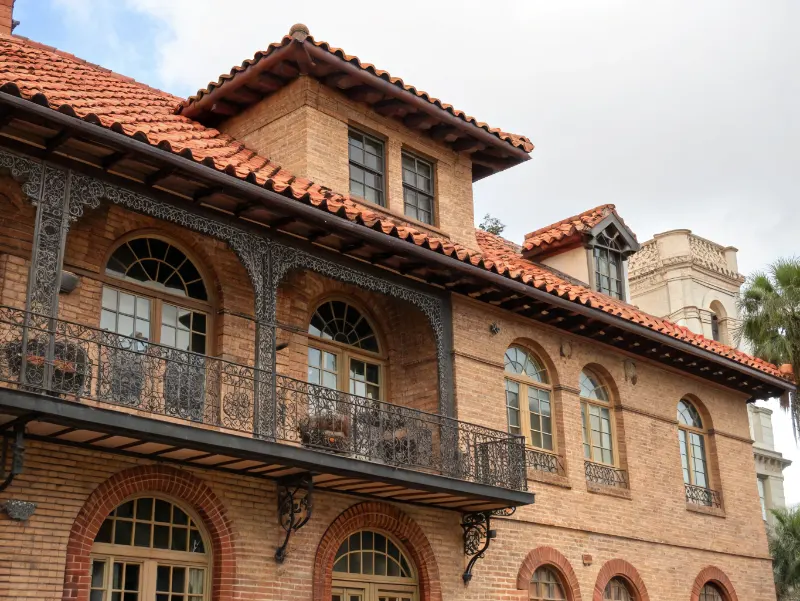
Tampa's earliest permanent structures reflected Spanish colonial building traditions adapted to Florida's climate. Thick masonry walls, covered porches, and interior courtyards provided cooling in subtropical heat. The 1891 Tampa Bay Hotel exemplified Moorish Revival architecture with distinctive minarets and ornate details that influenced subsequent regional design.
- Spanish tile roofing remains highly sought in salvage markets for its durability and distinctive appearance
- Heavy timber construction methods from this era produced beams and joists still structurally sound after 150 years
- Wrought iron balconies and window grilles demonstrate craftsmanship impossible to replicate economically today
- Courtyard fountains and decorative tile work showcase artisan traditions preserved through salvage operations
Cigar Industry and Commercial Buildings
Tampa's cigar industry boom in the late 1800s created Ybor City's distinctive architecture. Multi-story brick factories featured large windows for natural light and ventilation critical to cigar production. Workers' casitas displayed simplified classical details with wooden elements now prized by salvage buyers.
| Era | Architectural Style | Key Salvage Elements |
|---|---|---|
| 1880-1920 | Industrial brick | Factory windows, timber beams, machinery |
| 1920-1940 | Mediterranean Revival | Decorative tile, stucco details, iron grilles |
| 1940-1960 | Art Deco/Moderne | Terrazzo, chrome fixtures, geometric details |
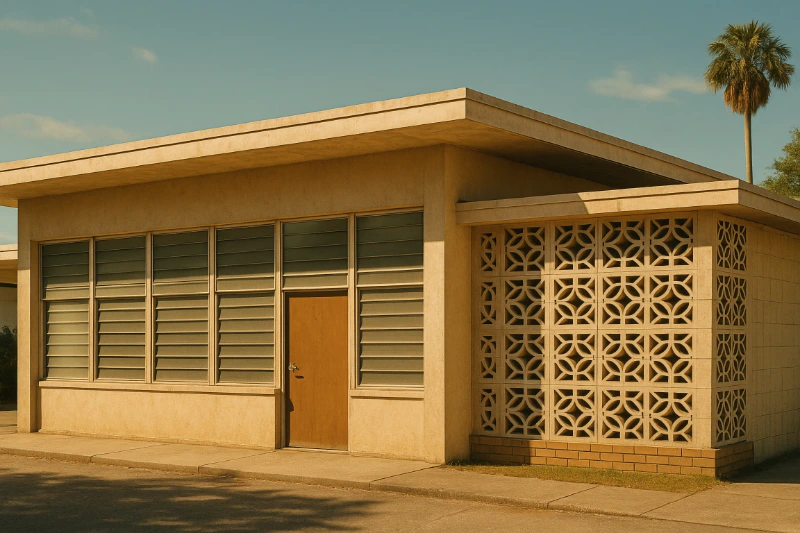
| 1960-1980 | Mid-century modern | Jalousie windows, terrazzo, wood paneling |
"Salvaged elements from Tampa's industrial and commercial buildings provide authentic materials for projects seeking to capture the character of Florida's boom era architecture."
Mid-Century Modern and Contemporary Heritage
Post-war Tampa embraced mid-century modernism with flat roofs, jalousie windows, terrazzo flooring, and integration of indoor-outdoor spaces. These buildings now face demolition as land values increase, making their distinctive materials increasingly rare. Architectural salvage operations rescue jalousie windows, colorful tile, and teak details that define this era's aesthetic, preserving Tampa's architectural evolution for future appreciation and appropriate restoration work.