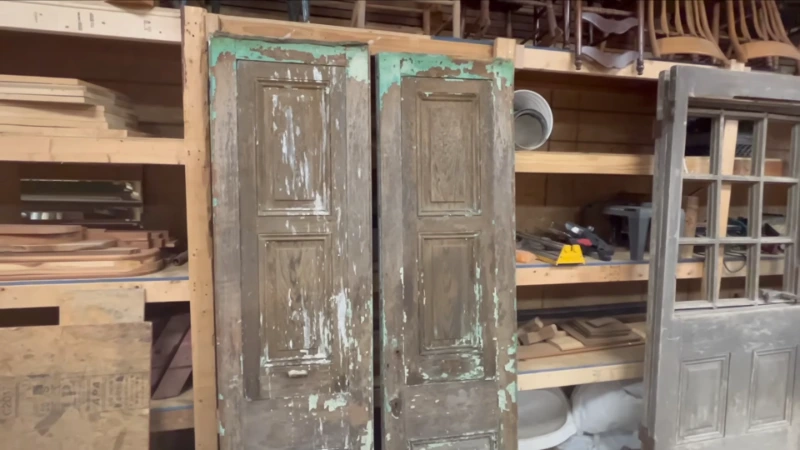
Pricing and Authentication Guide for Architectural Salvage
Determining fair prices for architectural salvage requires understanding multiple factors beyond simple supply and demand. Authentic period pieces command premiums justified by rarity, craftsmanship, and historical significance, while reproduction items should price competitively with new equivalents. Learning to authenticate materials, recognize quality indicators, and evaluate condition prevents overpaying for misrepresented items or missing valuable opportunities. Smart salvage buyers combine market research with hands-on inspection skills to make informed purchasing decisions.
Authentication Techniques
Distinguishing genuine salvage from reproductions protects buyers from misrepresentation. Construction methods, materials, tool marks, and wear patterns reveal a piece's true age and origin. Examine joinery techniques, hardware attachment methods, and finish characteristics that indicate original period versus later manufacture.
- Hand-cut nails and irregular screw threads indicate pre-1900 construction before machine standardization
- Wood grain patterns and species identification confirm claimed origins and exclude modern substitutes
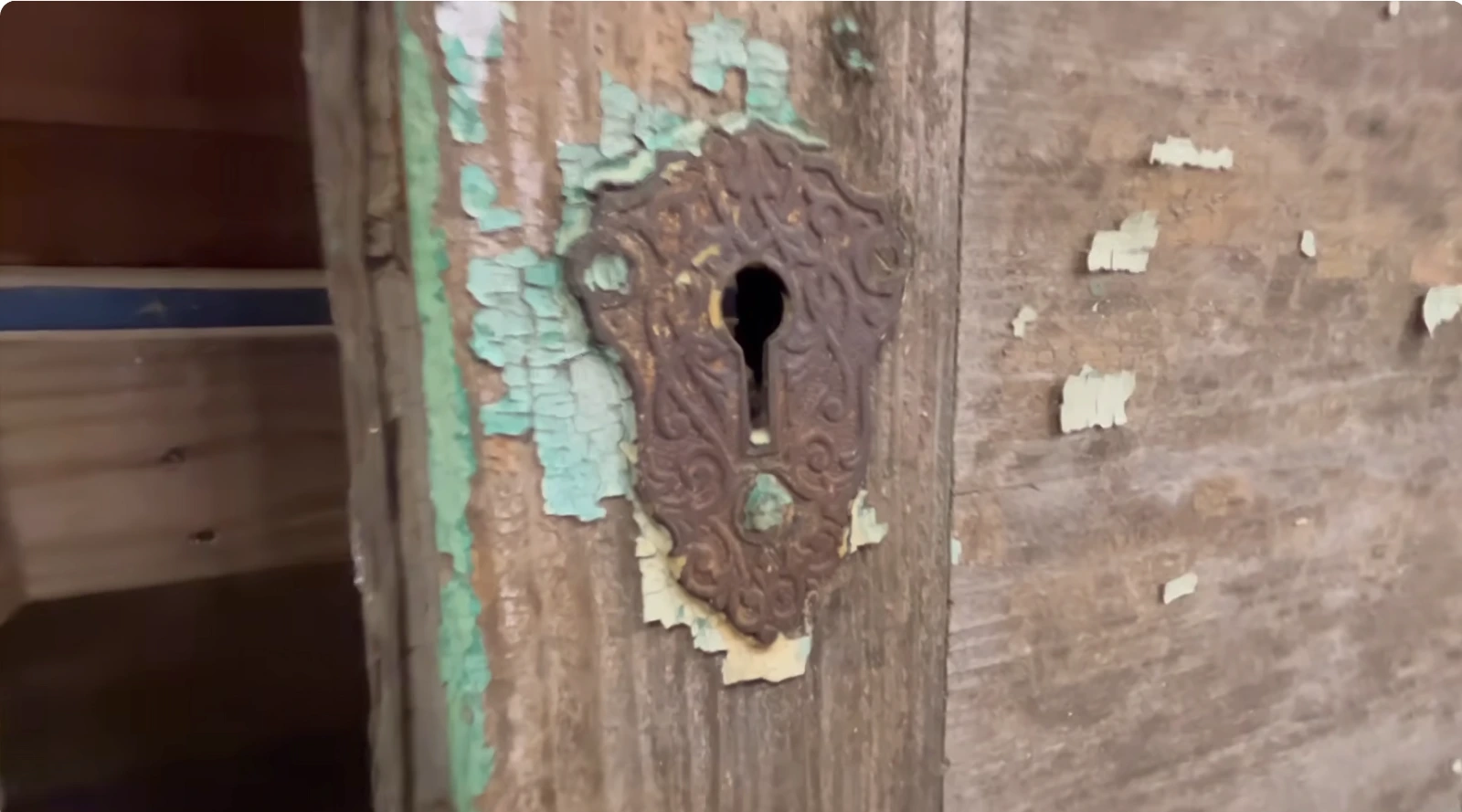
- Wear patterns on hardware show genuine use rather than artificial distressing applied to new reproductions
- Original finishes display appropriate oxidation and patina development inconsistent with accelerated aging techniques
- Provenance documentation from demolition sites or estate sources adds authenticity verification and historical value
Price Evaluation Factors
Multiple considerations influence fair market prices for salvaged materials. Rarity, condition, size, completeness, and current market demand all affect valuation. Research comparable sales through auction sites, dealer inventories, and completed listings to establish pricing baselines.
| Factor | High Value Indicators | Lower Value Indicators |
|---|---|---|
| Rarity | Unique design, limited production, significant origin | Common style, mass-produced, unknown source |
| Condition | Complete, functional, minimal damage, original finish | Missing parts, structural issues, heavy wear |
| Size | Standard dimensions, multiple matching pieces | Unusual sizes, single orphan piece |
| Craftsmanship | Hand-made details, superior materials, documented maker | Basic construction, ordinary materials |
"Remember that listed prices represent starting points—factor restoration costs, transportation, and installation expenses into total investment calculations."
Negotiation and Purchase Strategies
Develop relationships with multiple salvage dealers to access diverse inventory and competitive pricing. Regular customers often receive advance notice of incoming materials and preferential pricing on significant purchases. Ask about volume discounts when buying multiple related pieces. Consider purchasing items needing restoration at reduced prices if you have skills or contacts for appropriate repair work. Verify return policies before committing to expensive items, as salvage typically sells as-is with limited guarantees.