
Environmental Benefits of Reclaimed Materials in Construction
Architectural salvage directly supports sustainable building practices by diverting materials from landfills, reducing demand for virgin resources, and lowering construction's carbon footprint. Each salvaged beam, door, or fixture represents avoided logging, mining, or manufacturing impact. As green building standards gain importance, specifying reclaimed materials provides measurable environmental benefits while delivering superior quality and character. Understanding these sustainability advantages helps builders, designers, and property owners make informed choices that balance environmental responsibility with project requirements.
Resource Conservation and Waste Reduction
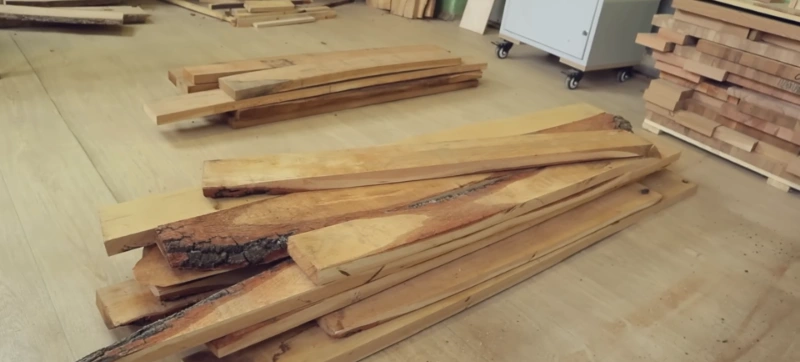
Construction and demolition debris accounts for significant landfill volume. Salvaging reusable materials before demolition extends their useful life while preventing disposal impacts. Reclaimed wood eliminates logging pressure on forests, while salvaged metals avoid mining and refining operations that consume substantial energy and generate pollution.
- One salvaged wood beam prevents harvesting, milling, and transporting equivalent new lumber with associated environmental costs
- Reclaimed brick and stone eliminate quarrying, firing, and transportation impacts from manufacturing replacements
- Vintage fixtures avoid metal mining, smelting, and forming processes that release significant greenhouse gases
- Salvaged architectural elements reduce landfill burden while preserving embodied energy from original production
- Reusing materials locally minimizes transportation distances compared to shipping new products from distant manufacturers
Carbon Footprint and Energy Savings
Manufacturing new building materials requires substantial energy input. Steel production, cement firing, and lumber processing all generate significant carbon emissions. Reclaimed materials carry embodied energy from original production without additional manufacturing impact.
| Material Type | Manufacturing Energy | Salvage Advantage |
|---|---|---|
| Virgin lumber | High (harvesting, milling, transport) | Zero additional processing |
| New steel | Very high (mining, smelting, forming) | Eliminates all production steps |
| New brick | High (clay extraction, firing) | Avoids energy-intensive firing |
| New glass | Very high (silica processing, melting) | Prevents new manufacturing |
"Choosing salvaged materials over new equivalents measurably reduces project carbon footprint while often delivering superior quality and durability."
LEED Credits and Green Building Standards
Major green building certification programs recognize reclaimed materials' environmental benefits. LEED awards points for salvaged content, regional materials, and waste diversion. Documenting salvage use supports certification while demonstrating environmental commitment. As sustainability becomes standard practice rather than premium option, architectural salvage transitions from niche specialty to mainstream building resource that serves both environmental and aesthetic goals.